Having started to get some rhythm back in to the publishing of my personal blog posts, I thought it was about time that I started posting some technical content again too. I’m having to do lots of new learning at the moment and, if nothing else, writing about it makes sure that I’ve understood it and helps me remember at least some of what I’ve learnt. As before, these posts in no way indicate the position of my employer nor, in general, should you read in to them anything about technical direction. On the whole, they are just about topics that I’ve found sufficiently interesting to write a little about. There is, I have found, no knowing what will be of interest to other people (my all-time top post relates to Remote Desktop!). From an entirely selfish perspective, I don’t care if anyone reads what I write as it’s largely the writing that gives me value!
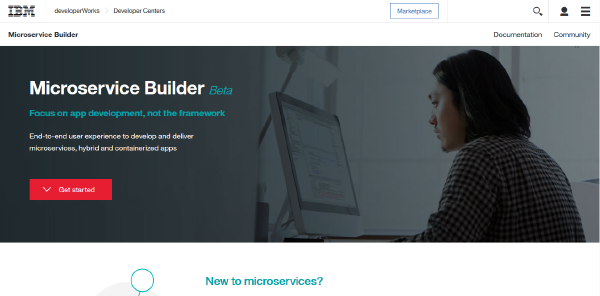
When the frequency of blog posts drops on this site it generally has two causes: I’m busy and/or I’m working on something that’s IBM Confidential. Both of these have been true over the past six months or so whilst I’ve been working on something we’re calling Microservice Builder. A public beta was announced in the run up to InterConnect which went live on the 24th which means that I can now come up for air and say a little about the work we’ve done so far.
I’m finally back home after what feels like a very long week in Las Vegas at IBM’s InterConnect conference. I promised that I’d post my presentations on SlideShare and I’ll add a few comments here on how each session went.
I’m going to be at IBM’s InterConnect conference this coming week. If you’re going to be there too, there’s a quick run-down of the sessions I’ll be presenting below. The astute will notice that, due to a scheduling snafu, I’m supposed to be presenting two sessions at the same time on Tuesday. If you go to the Liberty/ IBM Containers session then I’m afraid you’ll have to make do with Tom - be kind to him!
I’ve gone a bit meetup happy in the past two weeks. Last week I headed along to the Pivotal offices in London for the first London Cloud Foundry User Group meetup organised by one-time colleague Duncan Winn. First to speaker was another ex-Hursley employee, Glyn Normington. He gave a fascinating presentation in to the work that he and his colleagues are doing to replace the backend of Cloud Foundry’s Warden container with libcontainer (now split out from Docker). More on this over on Glyn’s blog.
At the end of April I went to the AWS Summit at ExCeL London, partly to keep up with the competition but largely because the attendees are a different crowd to those you get at your average IBM conference. I managed to miss most of the keynote, partly by design (no early start and an off-peak ticket) and partly due to someone driving in to a level-crossing in Southampton! Having watched the video subsequently, I don’t think I missed a great deal. The only announcements from Amazon that peaked my interest was the arrival of Amazon WorkSpaces in Ireland and the availability of the Twitter stream in Amazon Kinesis.
Yesterday evening I headed up to the London PaaS User Group meeting as there were two Cloud Foundry related sessions on the agenda. First up was David Laing talking about the open source Logsearch project, a bosh deploy of an Elastic search ELK log analysis cluster. His employer (City Index) has this hooked up to Cloud Foundry system logs and, in some cases, they’re also using it for analysis of application logs with addition parsers. They’re looking for people to get involved in the project and help with the next phase: anomaly detection. One major hole in the solution as it currently stands: it’s only suitable for private PaaS as their is no access control over the logged data.